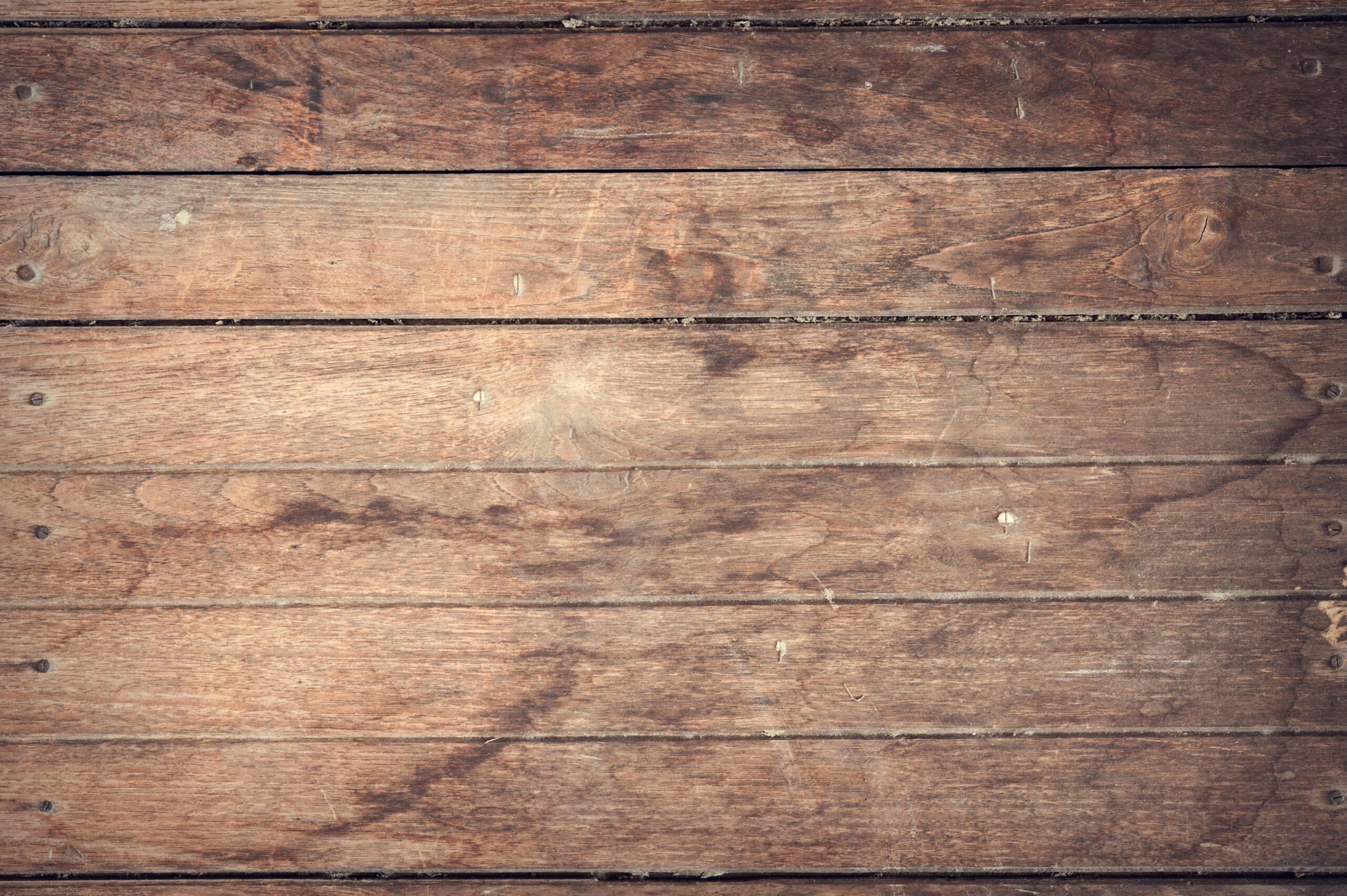
Choosing new flooring is one of the most impactful updates you can make to a home. The right floor affects durability, maintenance, budget, resale value, and the overall style of a room. Below I compare four of the most popular options — hardwood, laminate, vinyl, and tile — across five key factors: durability, cost, installation difficulty, maintenance, and style. This guide will help you decide which option fits your home and lifestyle.
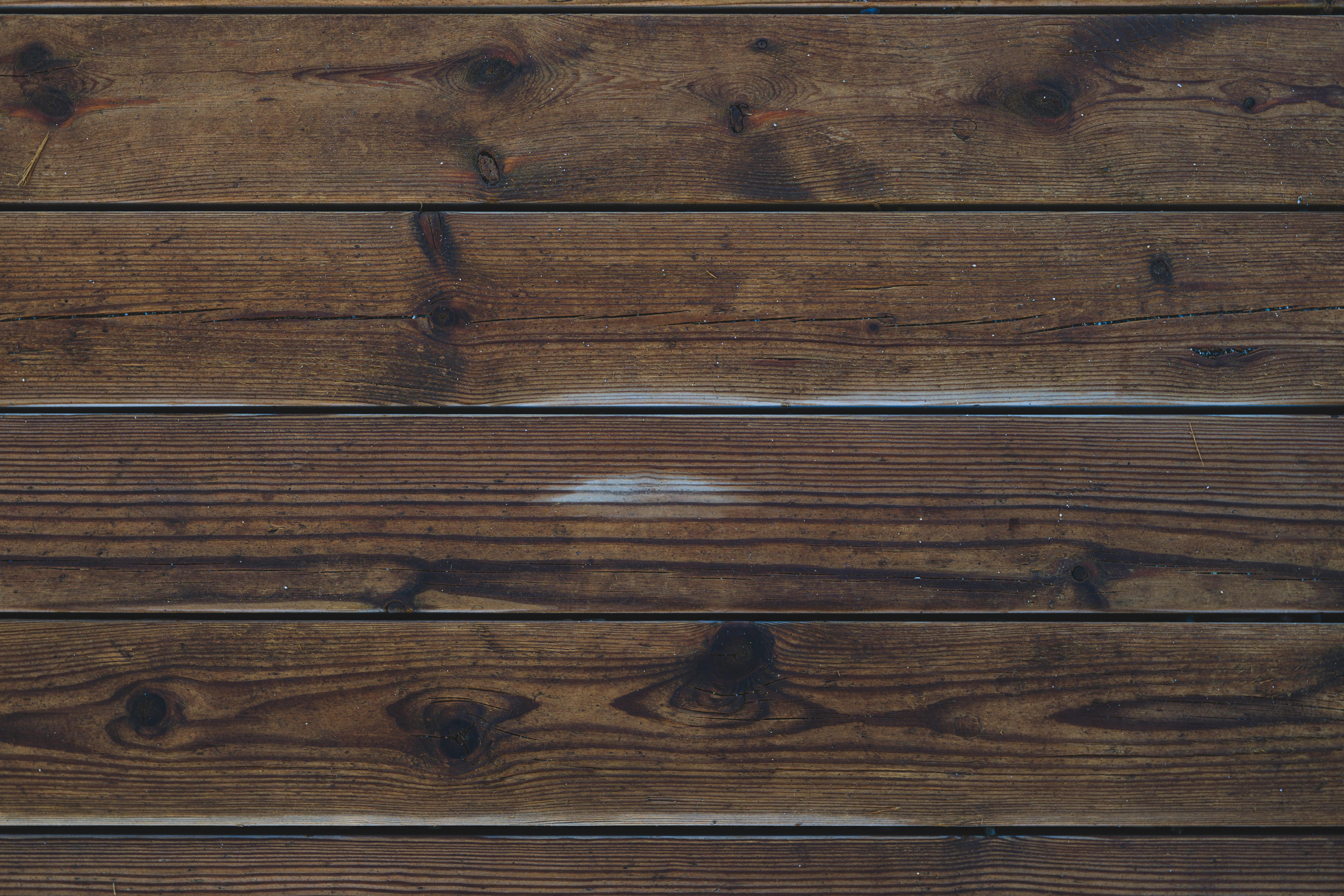
Hardwood
Durability: Solid hardwood can last decades when properly maintained. It is susceptible to scratches and moisture damage, so it performs best in dry, low-traffic rooms or when finished well and cared for.
Cost: Hardwood is one of the more expensive options up front. Material and installation costs vary by species and grade, with exotic woods costing significantly more.
Installation Difficulty: Professional installation is recommended for solid hardwood, especially when nailing or glue-down methods and acclimation are required.
Maintenance: Requires periodic refinishing to restore the surface and treat scratches. Sweeping and occasional damp mopping are typical; avoid excessive water.
Style: Timeless and warm, hardwood adds resale value and suits traditional to modern interiors. Grain, plank width, and finish offer many style choices.
Laminate
Durability: Laminate is resistant to scratches and general wear due to its hard protective layer, but it can swell and warp with prolonged water exposure.
Cost: Generally more affordable than hardwood. Offers a high look-for-less value, with varied price points depending on thickness and quality.
Installation Difficulty: Often DIY-friendly thanks to click-lock floating installation systems. Subfloor must be even to avoid problems.
Maintenance: Easy to maintain with sweeping and dry or slightly damp mopping. Avoid saturation with water and do not refinish; damaged planks are replaced.
Style: Modern printing technology achieves convincing wood and stone looks, but laminate lacks the real depth and feel of natural materials.
Vinyl
Durability: Vinyl, including luxury vinyl plank (LVP) and vinyl tile, is highly water-resistant and durable, making it suitable for kitchens, bathrooms, and basements.
Cost: Very cost-effective. LVP can be more expensive than basic sheet vinyl but still under hardwood and many tiles.
Installation Difficulty: Many vinyl products are DIY-friendly with peel-and-stick, click-lock, or glue-down options. Subfloor preparation is important for a smooth finish.
Maintenance: Low maintenance; easy to clean and very forgiving with spills. Avoid prolonged exposure to extreme heat and direct sunlight to prevent fading or warping.
Style: Available in many realistic wood and stone patterns. Texture and embossing add realism, and color options are expansive.
Tile
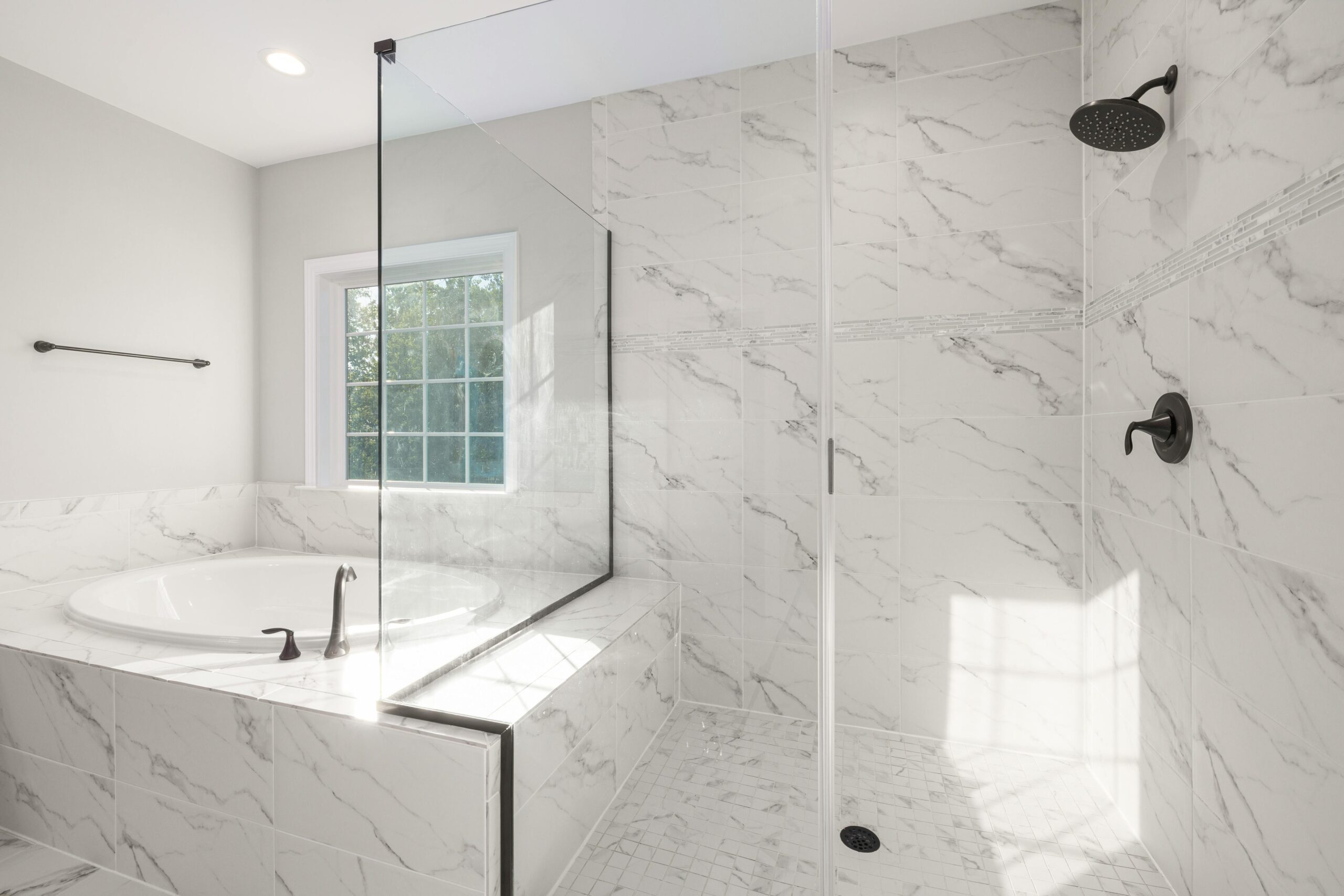
Durability: Ceramic and porcelain tile are extremely durable and water-resistant. Porcelain is denser and suitable for heavy-use and wet areas.
Cost: Tile ranges widely. Basic ceramic is affordable; large-format or specialty tiles and natural stone can be costly. Professional installation increases expense.
Installation Difficulty: Tile installation is labor-intensive and best handled by professionals. Proper substrate, leveling, and grout work are essential.
Maintenance: Tile is low maintenance but grout lines can stain and may need sealing. Porcelain requires less care than softer natural stone.
Style: Extremely versatile in pattern, color, and format. Ideal for modern, Mediterranean, or contemporary looks and for seamless transitions to outdoor spaces.
How to Choose
- For high resale value and a classic look: consider hardwood, but budget for cost and maintenance.
- For tight budgets and DIY projects: laminate offers good aesthetics and easy installation.
- For moisture-prone areas and durability: vinyl is a practical, stylish choice with low maintenance.
- For long-lasting, water-ready surfaces with design flexibility: tile is ideal, especially porcelain for heavy use.
Quick Decision Checklist
- Is moisture a concern? Prefer vinyl or tile.
- Do you want natural materials and long-term value? Choose hardwood.
- Are you on a budget and want easy installation? Laminate or vinyl.
- Do you want minimal upkeep? Vinyl and porcelain tile are top picks.
Ultimately, the best flooring depends on your home, budget, lifestyle, and the room’s function. If you need help narrowing options for specific rooms or want cost estimates, leave details about the space and your priorities and I can suggest more tailored choices.




Maya R
Great breakdown. Helped me decide between vinyl and laminate for my kitchen.
Tom Jenkins
I would add that underlayment choices can change the feel a lot, especially for laminate.
Sophie L
Good point about grout maintenance for tile. We sealed ours and it made a big difference.
Carlos M
Does anyone have experience with pet scratches on hardwood vs vinyl? Curious which holds up better.