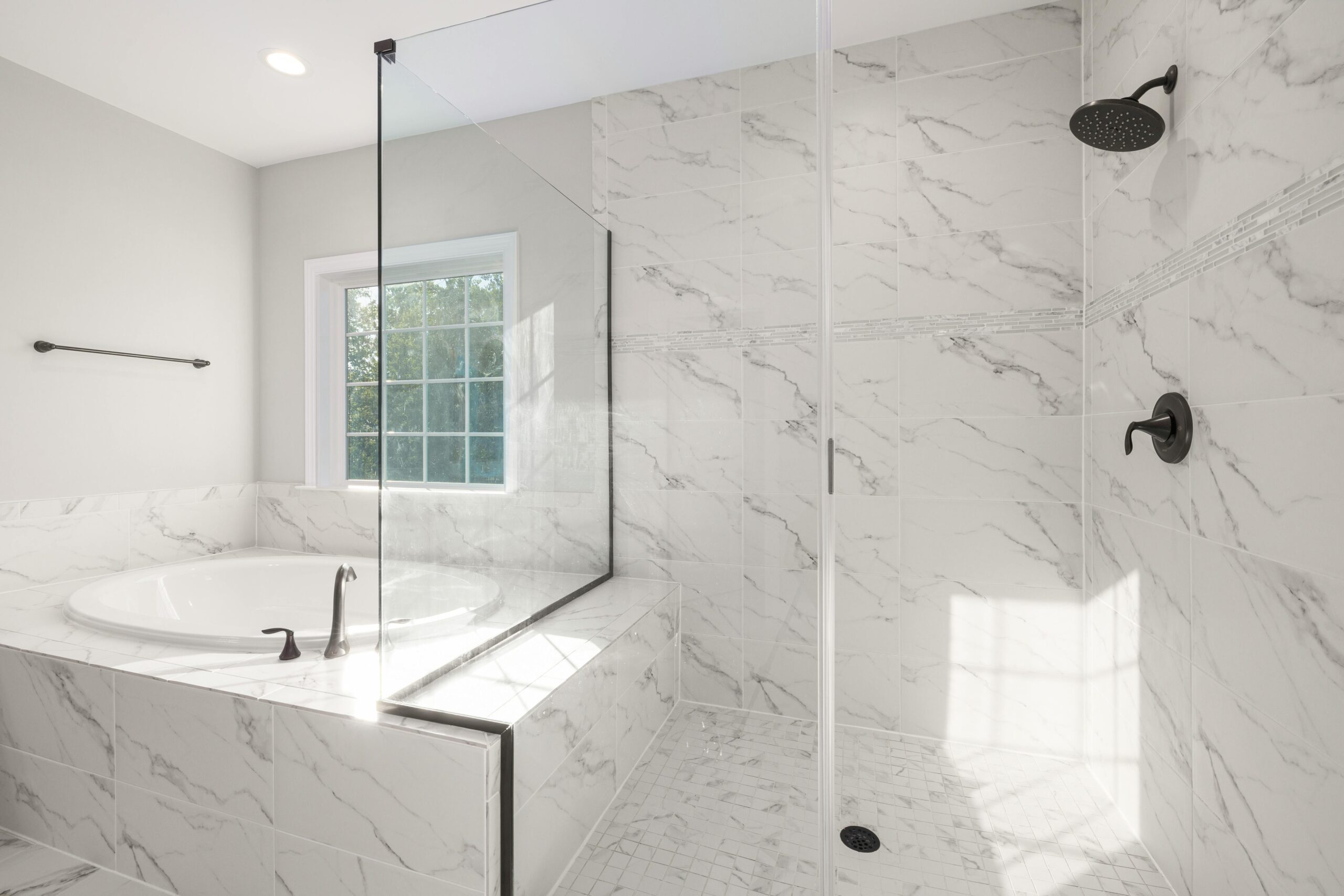
Remodeling a bathroom can transform how a home looks, feels, and functions. A well-planned project avoids costly surprises, reduces downtime, and delivers a finished space you’ll enjoy for years. In this guide I’ll walk through the practical steps: setting a realistic budget, making smart layout decisions, choosing fixtures and finishes, prioritizing waterproofing, and scheduling trades so the job stays on track.
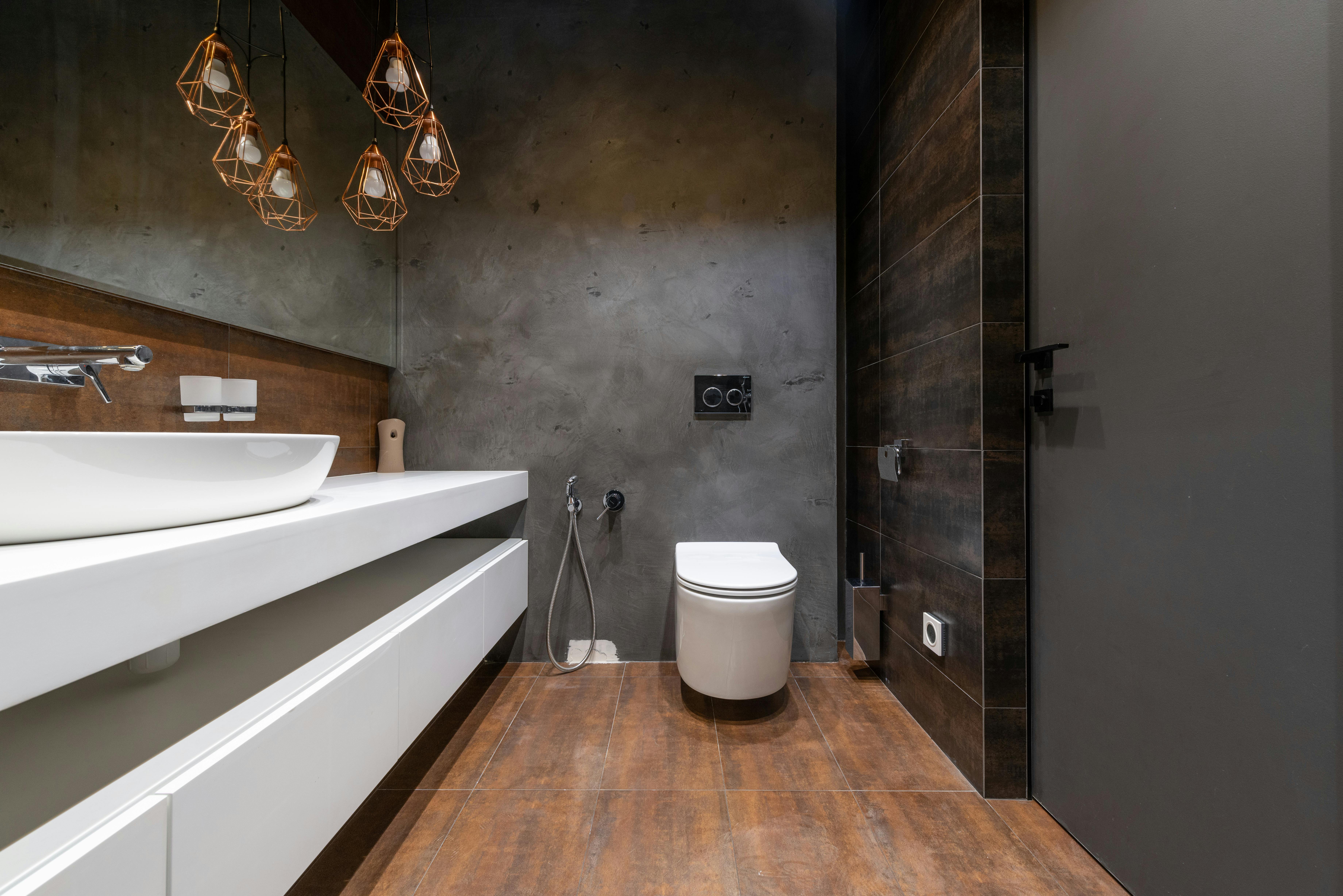
1. Start with a realistic budget
Budgeting is the foundation of every successful remodel. Start by setting a target total budget and then break it down roughly into categories: demolition and disposal, structural work and plumbing, fixtures (toilet, tub, shower, vanity), tiles and waterproofing, lighting and electrical, labor, and a contingency fund. A common rule of thumb is to reserve 10-20% of the total budget for unexpected costs. If you plan to recoup value when selling, research local market standards so you don’t over-invest relative to neighborhood expectations.
2. Define your priorities and scope
Decide what matters most: more storage, a larger shower, double sinks, heated floors, or accessible design. Separate must-haves from nice-to-haves. This makes it easier to make trade-offs during value engineering. For example, real wood vanities are attractive but cost more than painted MDF with a durable countertop.
3. Layout and space planning
Layout decisions have a major impact on cost. Moving plumbing lines or changing wall locations increases complexity and expense. If possible, keep the plumbing rough-ins in their current locations to save money. When you do change the layout, think about:
- Plumbing placement: Group wet areas (toilet, shower, tub) to minimize new pipe runs.
- Traffic flow: Ensure enough clearance by doors and vanities; check standard clearances for toilets and sinks.
- Storage: Plan niches, medicine cabinets, and linen closets early so framing and plumbing can accommodate them.
- Accessibility: Consider future needs—curbless showers, wider doorways, or grab-bar-ready walls.
4. Fixture selection and lead times
Pick fixtures early in the planning stage. Faucets, vanities, showers, and lighting often have long lead times and might dictate when trades can begin. Order long-lead items before demolition so they arrive when needed. While selecting, consider coordinate finishes for plumbing and hardware, and choose materials that balance aesthetics with durability. Porcelain or ceramic tiles are common for floors and walls; natural stone offers a premium look but requires sealing and more maintenance.
5. Waterproofing and moisture management
Waterproofing is non-negotiable. Proper membranes, sloped shower bases, sealed penetrations, and corrosion-resistant fasteners protect the structure and prevent mold. Use a recognized waterproofing system for showers and wet zones—this includes a membrane under tile, a waterproof backing board, and high-quality grout and sealants. Don’t forget ventilation: a properly sized exhaust fan (vented to the outside) controls humidity and extends the life of finishes.
6. Permits and code compliance
Check local building codes and obtain necessary permits. Electrical, plumbing, and structural changes often require inspections. Working with licensed tradespeople helps ensure the work meets code, and a permit paper trail protects you when selling the home.
7. Scheduling trades and the project timeline
A sequential workflow keeps the project efficient. A typical order is:
- Demolition and site prep
- Rough plumbing and electrical
- Framing and any structural changes
- Installation of insulation and backing boards
- Waterproofing and floor/ wall preparation
- Tiling and flooring
- Painting
- Install fixtures, cabinets, mirrors, and final plumbing and electrical
- Final inspection and punch list
Coordinate start dates so subcontractors arrive when the space is ready. Ask contractors for a written schedule and update it weekly. Expect delays—material backorders and weather can affect timing—so build buffer days into your schedule.
8. Communication and project management
Clear communication keeps trades aligned. Keep a single point of contact (project manager or general contractor) and maintain written records of decisions, change orders, and product specs. Take photos of existing conditions and each major stage for reference. A shared checklist or project app can help everyone know what’s next.
9. Quality control and final walkthrough
During the project, do periodic walkthroughs to catch issues early. When tile or fixtures are installed, check alignments, grout lines, and caulking. Before signing off, create a punch list of incomplete or deficient items and verify their completion. Keep warranties and manufacturer instructions in a project folder for future maintenance.
10. Practical tips to stay on track and on budget
- Decide finishes before work begins to avoid mid-project changes.
- Buy high-use items (like vanities and faucets) early to avoid delays.
- Plan for temporary bathrooms if you’ll be without access—coordinate with neighbors if needed.
- Get multiple quotes and compare not just price but scope, references, and timeline.
- Keep a 10–20% contingency fund for surprises discovered during demolition.
Remodeling a bathroom is a complex but rewarding project when planned well. With a clear budget, carefully chosen fixtures, attention to waterproofing and code, and a disciplined schedule for trades, you can minimize stress and achieve a durable, attractive result. Take your time in the planning phase—it pays off when the work goes smoothly and the finished bathroom meets your needs.





Lauren G.
Great breakdown! The checklist for sequencing trades was especially helpful. We kept delaying our tile because we didn’t order the trim pieces in time.
Mark D.
Good reminder about waterproofing. I learned the hard way that skipping a proper membrane led to leaks behind the wall. Worth the extra cost.
Priya S.
Does anyone have recommendations for vendors with reasonable lead times for vanities? Our project was held up for three weeks waiting on a custom unit.
Tom R.
If you’re on a tight budget, consider keeping the existing plumbing layout and refreshing finishes. You can get a modern look without moving pipes.